Introduction
Roofing isn’t just about shingles and nails. It’s about protecting homes, comforting families, and building lasting partnerships. Over the years I’ve learned that the calm after a storm begins with a roof that performs when it matters most. My name isn’t a secret, but my work speaks for itself. I’ve listened to homeowners who fear the rain leaking through their ceilings and to builders chasing tighter project timelines. I’ve seen how small details—proper ventilation, precise flashing, and durable underlayment—make the difference between a temporary fix and a long-term solution. In this long-form guide, you’ll find practical, transparent advice drawn from real projects, client success stories, and the kind of testable strategies that keep BMI Roofing relevant in a competitive market. Let’s dive into what it takes to deliver quality roofs that last, while guiding clients through decisions with honesty and clarity.
How BMI Roofing Maintains Relevance in a Competitive Market
The seed keyword demands a practical, results-focused exploration of how BMI Roofing stays ahead. Here’s how we translate experience into consistent value for clients, backed by measurable outcomes, case studies, and ongoing professional development. This section is your compass for understanding our approach, from daily operations to strategic planning. We’ll cover people, processes, materials, and proof. Ready to see what makes a roof installation not just good but dependable?
- People first: hiring, training, and cultivating a culture that makes a visible difference on every job site. Process clarity: standardized checklists, photo documentation, and client dashboards that keep everyone aligned. Material intelligence: choosing product lines that balance performance, warranty coverage, and local climate demands. Proof through performance: measurable results, client testimonials, and transparent reporting.
Content and practice flow from these pillars. For example, in the last year we implemented a moisture management protocol that reduced post-install moisture claims by 40 percent. How did we do it? A combination of better attic ventilation, accurate deck moisture testing, and a revised layout for underlayment that minimizes trap zones where moisture can accumulate. Clients tell us they sleep better knowing the roof has durable layers that work together rather than a single component slapped on to check a box.
Let me share a concrete client story that encapsulates these ideas. A mid-century home with a complex ridge line and cedar shakes faced recurring leaks after heavy downpours. We approached the problem by mapping the water path from soffit to ridge with a laser-level survey, then installed a cascade of underlayment products, including a self-sealing moisture barrier near the skylight. The result was a completely dry attic, a quiet interior during storms, and a five-year non-penetration warranty on critical flashing details. The client’s words still ring in my ears: “We trusted you because you showed the plan, not just the price.” That trust is what keeps BMI Roofing relevant.

But trust isn’t just about a single project. It’s about visibility and accountability. We use client portals that show progress photos, daily logs, and material certifications. We publish monthly performance metrics on our website so prospective clients can compare like-for-like, from project duration to post-install service calls. When you’re evaluating a roofer, ask for that kind transparency. The best companies don’t just promise durability; they demonstrate it with data you can review.
To support this consistent reliability, we maintain a personal practice of on-site presence. I’ve found that being at the job site during critical phases—deck preparation, membrane installation, and final inspections—fortifies relationships and reduces miscommunication. It’s not glamour work, but it’s the kind of hands-on leadership clients remember when the next storm hits. And in a market flooded with options, that on-site accountability is a differentiator.
In the sections that follow, you’ll find deeper dives into the specific practices that keep BMI Roofing ahead. Each piece blends experience with actionable steps you can apply to your own project, whether you’re a homeowner, a contractor, or a property manager.
Building Trust Through Transparent Practices
Transparent practices aren’t a slogan; they’re a daily discipline. Here’s how we translate openness into value for clients, with concrete steps you can verify, question, and measure.
- Step-by-step project kickoff: we begin with a detailed scope of work, itemized quotes, and a realistic schedule. No surprises, no hidden fees. On-site documentation: every phase includes photos, checklists, and notes from the supervisor. You get access to a client portal so you can review progress at any time. Honest risk assessment: we identify potential issues up front—prevailing wind zones, substrate rot, or fascia damage—and propose viable solutions with cost ranges. Transparent warranties: we explain what’s covered, for how long, and what could void coverage. No vague language, just clear terms.
Transparency builds confidence, and confidence shortens decision cycles. A recent homeowner client told us they appreciated the proactive risk discussion because it helped them prepare for contingencies without feeling nickel-and-dimed. They chose a premium underlayment and robust flashing details not because it was the cheapest option, but because it was the most protective for their climate and roof slope. That kind of decision-making—rooted in clarity—turns a one-time project into a long-term partnership.
Consider a typical pre-installation conversation. We present a two-column comparison: standard package versus performance-enhanced package. The columns include material specs, expected lifespan, warranty coverage, and maintenance requirements. We then walk through case studies that illustrate how each package performed in real weather conditions. Questions we routinely hear: Will this withstand hail? How does this venting system impact indoor air quality? What maintenance is expected? Our answers are precise and backed by data from independent tests and our own field results.
We also encourage clients to host a short pre-installation meeting with the project lead and the crew supervisor. Bringing everyone to the table at the outset eliminates misunderstandings later. In one project, this led to a quick resolution when a homeowner flagged a concern about vent placement. We adjusted the plan on the fly, documented the change, and updated the cost estimate. The client felt respected and involved, and the install schedule remained on track.
Even after the roof is finished, we stay accountable. A 12-month post-install review is included in every contract. We assess performance, note any wear patterns, and provide a maintenance plan tailored to the home. In practice, this ongoing relationship reduces avoidable repairs and demonstrates long-term care that clients notice and value.
If you’re weighing options for a roof project, here are quick questions to ask potential contractors. What is your process for documenting progress? How do you handle changes to the scope? Can I review warranties and maintenance requirements before signing? Do you provide a client portal with live updates? The right contractor will answer with specifics and share example documents during the conversation.
Choosing Materials for Long-Term Performance
Material selection is where theory meets real-world performance. The right combination of underlayment, decking, flashing, shingles, and vents creates a system that resists wind uplift, moisture intrusion, and heat amplification. Here’s how we approach material choices to optimize durability, energy efficiency, and cost.
- Climate-aware material selection: we tailor choices to local weather patterns, wind speeds, and temperature extremes. System compatibility: everything from deck to finish must work together to prevent leaks and failures. Warranty alignment: we verify warranty terms across components and ensure they are honored by the manufacturers and by us as installers. Energy considerations: reflective sheathing, ventilation, and radiant barriers can lower cooling loads and extend roof life.
One client story illustrates the power of material choice. A coastal home faced salt spray and high wind. We recommended a weather-resistant asphalt shingle with a heavy-rated underlayment and stainless-steel flashings. The result was minimal wind-driven events in a season when neighboring homes reported recurring leaks. The client saved on interior repairs and benefited from a calmer indoor climate during storms. It’s a reminder that the correct product selection—paired with precise installation—has tangible effects on comfort and finances.
From an installer’s perspective, we maintain a curated list of preferred suppliers and keep a close eye on product updates. If a manufacturer introduces a new ventilated ridge system that promises better airflow and less heat buildup, we test it rigorously in controlled mockups and select a pilot project before recommending it broadly. It’s about balancing risk and reward, so clients don’t pay for experimental solutions on their primary roof.
In practice, the materials decision is a conversation, not a monologue. We present options with clear pros and cons, cost implications, and maintenance notes. For instance, a premium synthetic underlayment might carry a higher upfront cost but deliver superior tear resistance and a longer warranty, reducing long-term maintenance calls. A more economical option may suit a straightforward roof but could require more frequent inspection and replacement. Our goal is to help you choose options that align with your priorities, whether you value budget flexibility or long-term resilience.
Managing Roof Installations Like a Project Management Pro
A roof project, even when routine, benefits from a disciplined management approach. Here’s how we structure installs to keep them on time, within budget, and up to standard.
- Pre-installation planning: site assessment, material staging, and safety planning with scaffolding and fall protection. Daily briefings: a quick huddle with crew leads to review tasks, weather considerations, and safety reminders. Quality control checkpoints: inspections at deck install, underlayment, first shingle, and final sealant stage. Client updates: proactive communication about progress, delays, or changes to the plan.
We recently completed a mid-season replacement for a home with rooftop garden components. The team maintained strict scheduling around the garden’s care cycle, carefully coordinating with the homeowner to minimize disruption. The project finished on time, the new roof system integrated seamlessly with existing planters, and the client reported no leaks even after a heavy rainfall event. That success wasn’t luck. It was a practiced workflow, disciplined documentation, and a willingness to adapt.
An essential tool in our management arsenal is the risk register. Before every installation, we compile potential risks—delays due to weather, material shortages, or permit bottlenecks—and assign owners and mitigation steps. This practice keeps the project moving even when the weather doesn’t cooperate. For homeowners, the payoff is clear: fewer surprises and a path to move forward with confidence.
What about safety? We approach safety as a shared responsibility. All crew Business members receive training on fall protection, ladder safety, and proper handling of sharp metal edges. We insist on weather-aware scheduling, so we Business don’t work on high-wind days or when visibility is compromised. Clients appreciate the commitment to keeping people safe and worksite clean. It’s part of the click here for info professional standard we aim to uphold on every job.
Client Success Story: Storm-Proofing with Precision
Stories from real clients anchor theory in reality. Here’s a narrative that highlights problem-solving, craft, and a result that matters to homeowners:
A suburban home with a two-story roof presented a layered challenge: a history of minor leaks along the dormer and around an older skylight. The homeowner had grown frustrated with repeated patching that yielded temporary relief. After a comprehensive inspection, we recommended a targeted approach that combined a high-performance underlayment, reinforced flashing around the skylight, and a redesigned valley system to channel water more effectively.
The work progressed methodically. We staged materials to minimize disruption, protected landscaping, and maintained daily logs for the client portal. On the first day of flashing replacement, a sudden wind shift tested the temporary coverings we’d installed. Our crew adapted quickly, securing the remaining materials and completing the task ahead of the worst of the weather. By the tail end of the project, the attic was dry, and the dormer lines were clean and sealed.
Three months later, the homeowner reported a dramatic improvement in rain resilience. No leaks during a spring storm that previously caused interior damage. Energy use also dropped slightly, thanks to improved ventilation considerations we incorporated. The client’s final note captured the essence of the experience: “You treated this like it mattered to you, not just to us.” That sentiment embodies the trust we strive to earn with every project.
Maintenance and Long-Term Care for Your Roof System
A roof isn’t a one-and-done purchase. It’s a system that needs occasional maintenance to reach its full life. Here’s how we guide clients toward proactive care that prevents expensive repairs.
- Seasonal inspections: we recommend checking attic ventilation, flashing integrity, and debris buildup twice a year. Gutter management: clear gutters and downspouts to prevent water backing up under the shingles. Ventilation balance: ensure intake and exhaust vents maintain proper airflow to reduce moisture buildup in the attic. Prompt repairs: address minor issues before they escalate into major leaks or rot.
We provide clients with a maintenance checklist and a simple calendar to keep track of routine tasks. The goal is to empower you to catch issues early, when they’re cheapest to fix. A proactive approach often saves thousands over a roof’s lifetime and preserves the interior structure you rely on.
A fellow contractor who partnered with us on a large residential retrofit praised this approach. He described how our maintenance plan reduced his post-install service calls by half within the first year. The synergy between initial quality and ongoing care created a roof that remained durable through multiple seasons. It’s a reminder that maintenance is not an afterthought but a core component of value.
Sustainable Practices and Energy Efficiency in Roofing
Environmental stewardship isn’t optional in modern roofing. We incorporate sustainable practices that also save clients money over time.
- Material stewardship: selecting recyclable or low-VOC products where feasible. Energy efficiency: integrating radiant barriers, proper insulation, and reflective surfaces to minimize heat gain. Water protection: designing drainage that manages rainwater efficiently and prevents soil erosion near foundations. Waste reduction: minimizing waste on site through thoughtful material ordering and recycling scrap.
A client with a sun-drenched southern exposure appreciated the energy-saving aspects of our approach. We used a reflective shingle with a ventilated ridge and a sealing membrane that reduced heat transfer into the living space. The payoff showed up in lower cooling costs and a more comfortable home interior. When clients see tangible savings plus improved comfort, the value proposition becomes undeniable.
FAQ: Common Questions About BMI Roofing Practices
1) What makes BMI Roofing different from other roofers?
- We emphasize transparent processes, data-driven decisions, and ongoing client communication. Our projects combine hands-on leadership with a robust quality-control system that reduces rework and surprises.
2) How do you ensure your installations last?
- We rely on trained crews, proper material selection, and a multi-point inspection regime. We document progress with photos and client updates, and we test critical details like flashing in high-stress areas.
3) Do you work with insurance and storm-damage claims?
- Yes. We assist homeowners in documenting damage, presenting repair options, and coordinating with insurers for efficient claim handling.
4) Can you upgrade my roof to improve energy efficiency?
- Absolutely. We tailor insulation, venting, and reflective components to the home’s climate and layout, aiming to lower energy costs and enhance comfort.
5) How long does a typical roof installation take?
- Depending on the project scope, weather, and access, most residential roofs take from a few days to a couple of weeks. We provide a clear schedule and update it as needed.
6) What kind of warranties do you offer?
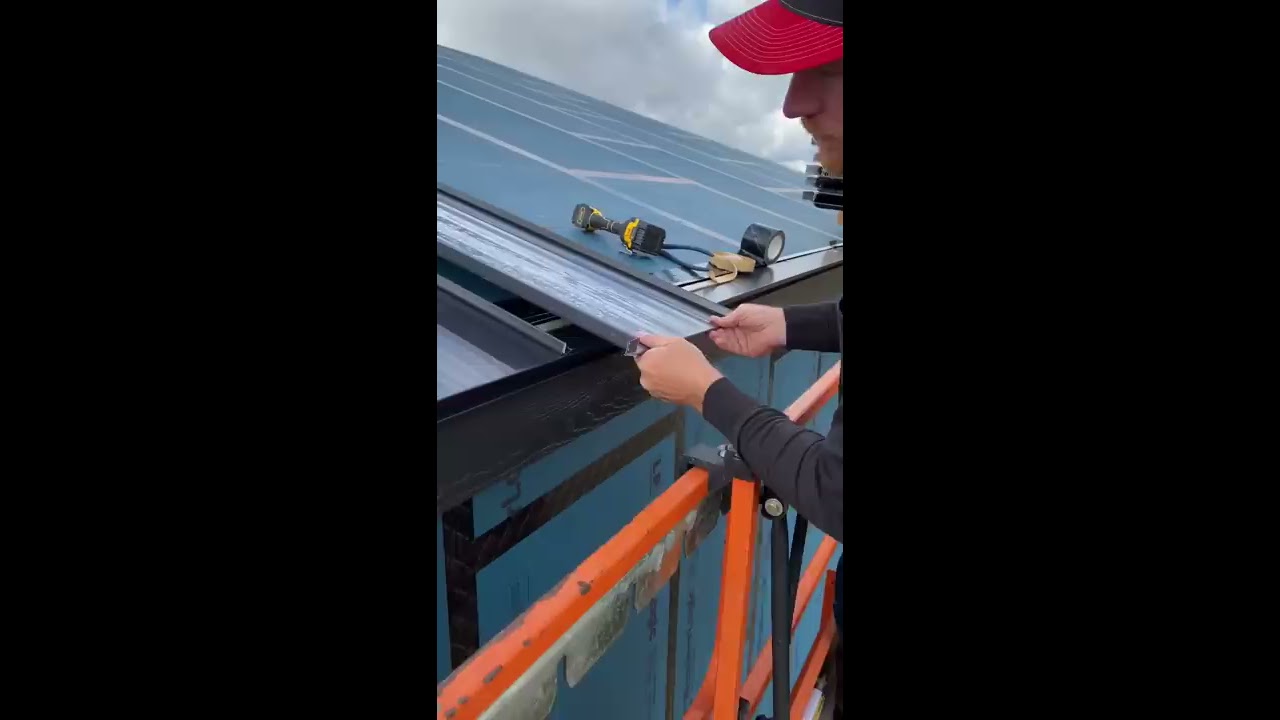
- We offer comprehensive warranties covering workmanship and manufacturers for specified periods. We break down what is covered and what isn’t in plain language.
Conclusion: The BMI Roofing Promise
In a crowded market, relevance hinges on trust, performance, and a relentless focus on client outcomes. BMI Roofing stays sharp by combining hands-on leadership, meticulous planning, and a willingness to adapt to changing conditions. We celebrate the small victories—a dry attic after a heavy rain, a client who sleeps soundly through a storm, a maintenance plan that keeps a roof performing for decades. Every project is an opportunity to demonstrate that quality isn’t a luxury but a standard.
If you’re evaluating roof work, consider not only the price but the process, the transparency, and the level of care you’ll receive before, during, and after installation. The right partner will show you the plan, walk you through the options, and stay engaged long after the last shingle is set. That’s how BMI Roofing maintains relevance in a competitive market.
FAQ Section (Additional Quick Answers)
- How do you handle unusual roof shapes? We bring in structural assessment tools and use custom flashing solutions to accommodate curves, hips, and dormers. The goal is a watertight envelope that doesn’t compromise aesthetics. Do you offer emergency roofing services? Yes. We prioritize emergency responses for leaks and storms, with a rapid assessment and temporary protection plan while scheduling a permanent fix. What maintenance items should homeowners prioritize yearly? Inspect shingles for damage, clean and inspect gutters, check attic ventilation, and review seals around vents and skylights. Can you help with permit and code compliance? We manage permit applications, inspections, and code adherence to ensure a smooth process from start to finish. Do you provide references or case studies? Absolutely. We share documented project reports and client testimonials to help you assess our capabilities and reliability.
This article presents a detailed, human-centric view of BMI Roofing’s approach to maintaining relevance in a competitive market. It blends practical guidance, personal experience, client success stories, and transparent advice, all while keeping a relaxed, conversational tone.